
|
Science - The Biological World Most Recent
Quick Find
More ResultsNov
07
2022
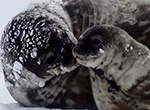
Female leopard seals are way, way bigger than their male counterpartsScience | The Biological World New research shows female leopard seals can be up to twice as large as males, a far bigger difference in body size between the two sexes than biologists previously observed. Oct
24
2022
Rumbles, booms and growls: Listen to the first recordings of these Antarctic whale callsScience | The Biological World Biologists are getting their first real listen to the vocalizations made by Antarctic minke whales, the most abundant yet least understood whale species in the Southern Ocean. Aug
29
2022
Genetics reveals how fish and seals adapt to Antarctic coldScience | The Biological World New research into seal and fish genomes is giving scientists clues to how these hardy animals evolved to survive the extreme cold of Antarctica and the Southern Ocean. Aug
22
2022
Key Antarctic fish species declining due to climate changeScience | The Biological World New research finds populations of Antarctic silverfish along the West Antarctic Peninsula are plummeting due to warming temperatures and the loss of sea ice caused by climate change. Jun
06
2022
Shedding fluffy baby fur shapes how Weddell seal pups learn to swimScience | The Biological World Molting status determines when Weddell seal pups are ready for life in the water more than other developmental milestones, according to new research. Apr
18
2022
Antarctic microbe produces potential cancer-fighting drugScience | The Biological World Researchers map the genetic machinery behind a natural anti-cancer compound from Antarctica for the first time Apr
11
2022
Ocean giants' appetites are larger than we thoughtScience | The Biological World Blue whales eat seven Space Shuttles worth of food every year, new research finds Mar
28
2022
Forever chemicals lingering in Antarctic marine mammalsScience | The Biological World New research finds Antarctic seals and killer whales still have persistent organic pollutants stored in their blubber, despite many countries having phased out production of these toxic chemicals, some as long as 50 years ago. Feb
14
2022
Antarctic Long-Term Ecological Research site turns 30Science | The Biological World Researchers have documented significant ecological changes to the Antarctic Peninsula thanks to the long-running National Science Foundation program. Nov
09
2021
The stone thievesScience | The Biological World Adelie penguins often steal stones from each other's nests, but new research shows the wily birds target some nests more than others. Sep
20
2021
Scoping out the seal mating sceneScience | The Biological World Biologists have been observing how male Weddell seals secure prime locations when courting females to learn more about the southernmost mammal's mysterious breeding behavior. Sep
07
2021
Meet the Penguin MisfitsScience | The Biological World Looks are important for Adelie penguins, but they may not be as critical for breeding as biologists previously thought. New research shows Adelie penguins with unusual coloring still manage to breed successfully, contrary to what biologists had predicted. Aug
23
2021
Coldest, Driest, Saltiest Antarctic Soils Might Be Inhospitable To LifeScience | The Biological World Some Antarctic soils might be the only environments on Earth microbes can't colonize, a finding that goes against scientists' expectations of our planet's habitability. Most scientists assume microbes can inhabit every environment on Earth, given enough time, but new research finds that some of the coldest, saltiest, and driest soils in the Transantarctic Mountains show no signs of viable microbial life.
|
||||||||||||||||||||||||||||||


For USAP Participants |
For The Public |
For Researchers and EducatorsContact UsNational Science FoundationOffice of Polar Programs Geosciences Directorate 2415 Eisenhower Avenue, Suite W7100 Alexandria, VA 22314 Sign up for the NSF Office of Polar Programs newsletter and events. Feedback Form |